Our Team
Our research will be grounded in interdisciplinary expertise, leveraging AI-augmented computations and experiments to address complex challenges in materials and mechanical sciences.
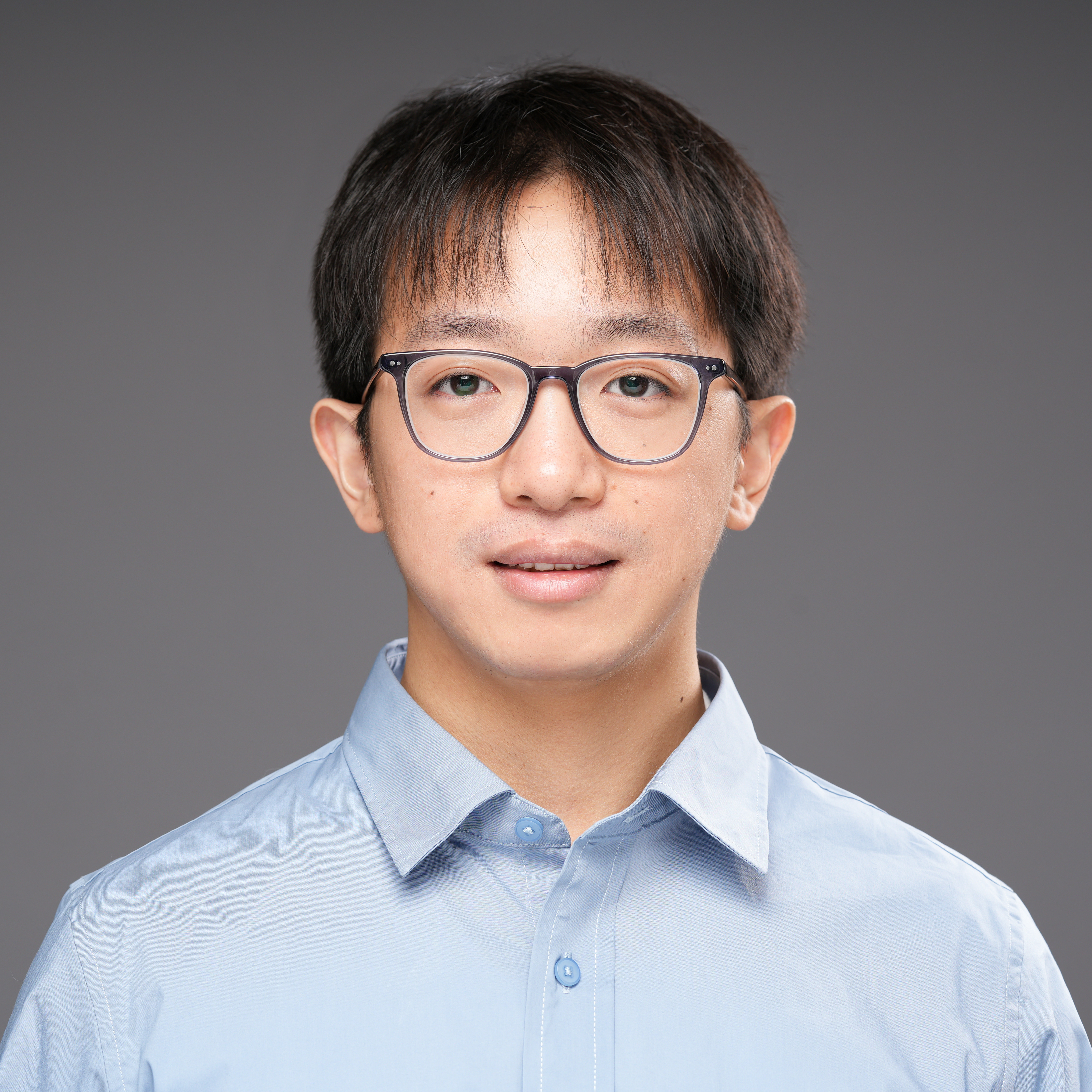
Zhantao Chen
Principal Investigator
2022 Ph.D. Massachusetts Institute of Technology
2018 S.M. Massachusetts Institute of Technology
2016 B.Eng. Harbin Institute of Technology
2018 S.M. Massachusetts Institute of Technology
2016 B.Eng. Harbin Institute of Technology
Dr. Chen is a tenure-track Assistant Professor in the Walker Department of Mechanical Engineering at The University of Texas at Austin (UT). He is also affiliated with the Texas Materials Institute and the Oden Institute for Computational Engineering & Sciences. Before joining UT, he was a Research Associate at SLAC National Accelerator Laboratory (2022-2025).
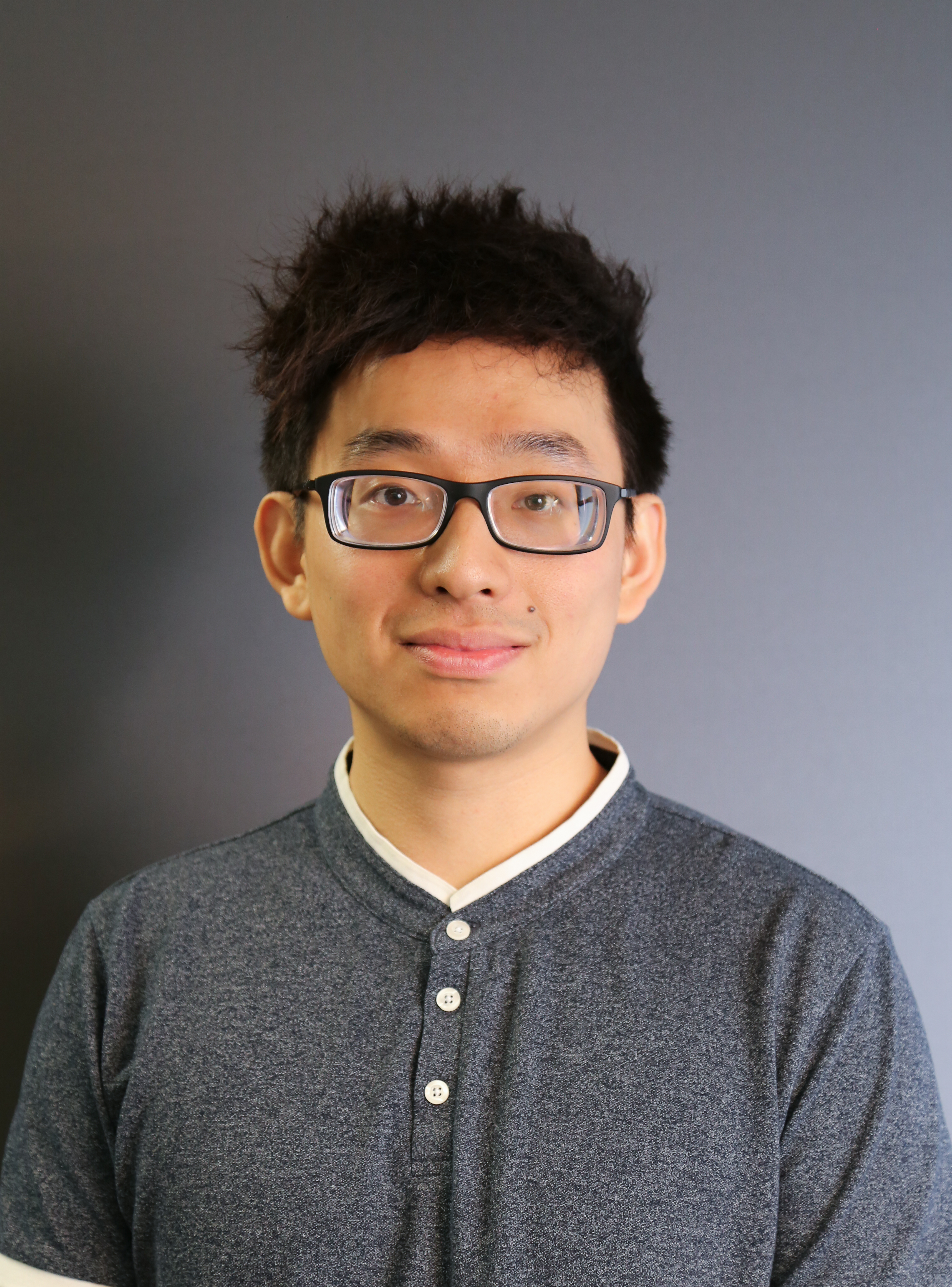
Tong Su
Postdoctoral Fellow
2026 Ph.D., Brown University
2026 S.M., Brown University
2020 B.Eng., Xi'an Jiaotong University
2026 S.M., Brown University
2020 B.Eng., Xi'an Jiaotong University
Tong is a postdoctoral fellow with a background in experimental materials science, computational modeling, and data science. During his Ph.D. at Brown University, he studied structure–process–property relationships in thin films by combining physical vapor deposition, materials characterization, physics-based modeling, and machine learning. His current research focuses on developing AI architectures for autonomous materials laboratories, including scientific agents that integrate multimodal experimental data, digital twins, and laboratory automation to enable closed-loop materials discovery.
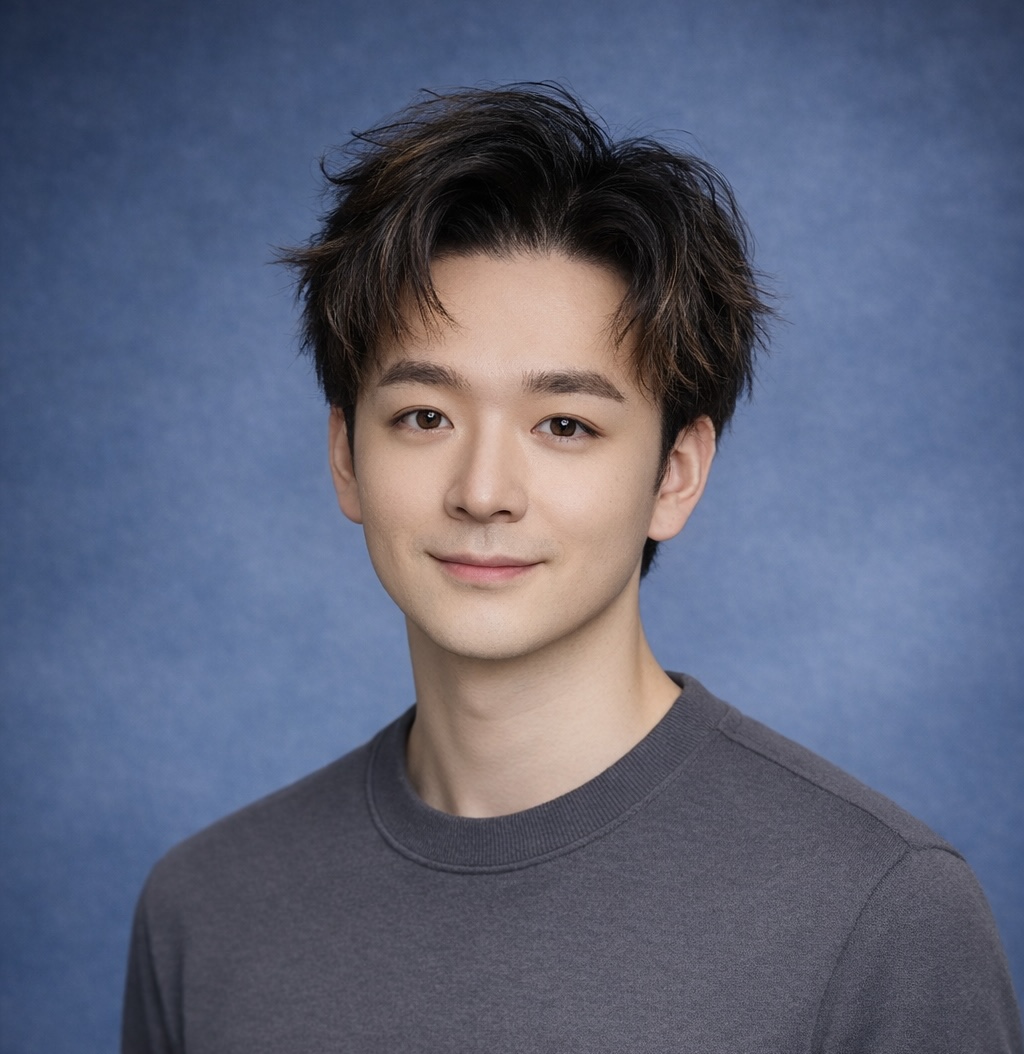
Tianyu Zhang
Ph.D. Student (TMI)
2025 M.Eng. Shanghai Jiao Tong University
2022 B.Eng. University of Science and Technology Beijing
2022 B.Eng. University of Science and Technology Beijing
Tianyu (Tyler) is a Ph.D. Student with a background in computational materials science and machine learning. He previously worked on structure–property relationships using machine-learning interatomic potentials and was a research intern at the Shanghai Artificial Intelligence Laboratory (2025). Now, he is developing agentic workflows that integrate simulation, characterization, and active experimental design to accelerate materials discovery. Outside of research, he enjoys traveling and live music.
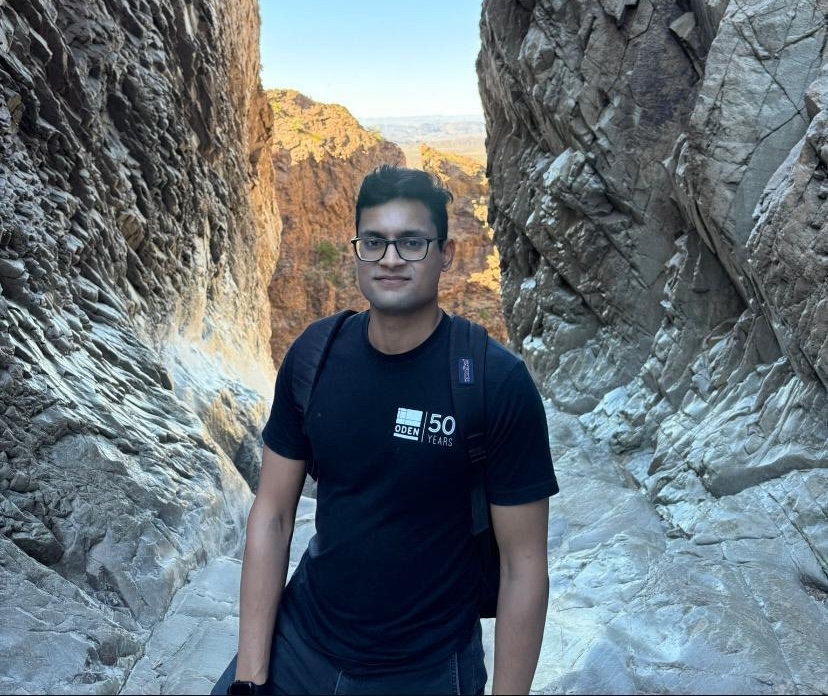
Venugopal Ranganathan
Ph.D. Student (ME)
2024 M.S. UT Austin
2021 B.E. BITS Pilani, Goa Campus
2021 B.E. BITS Pilani, Goa Campus
Venu is a Ph.D. student with a background in computational science and machine learning. He previously worked on developing frameworks for large-scale Bayesian inverse problems, reduced-order modeling for fluid-flow problems and phonon transport simulation. Currently, he is developing agentic workflows for Bayesian optimal experimental design in neutron scattering.
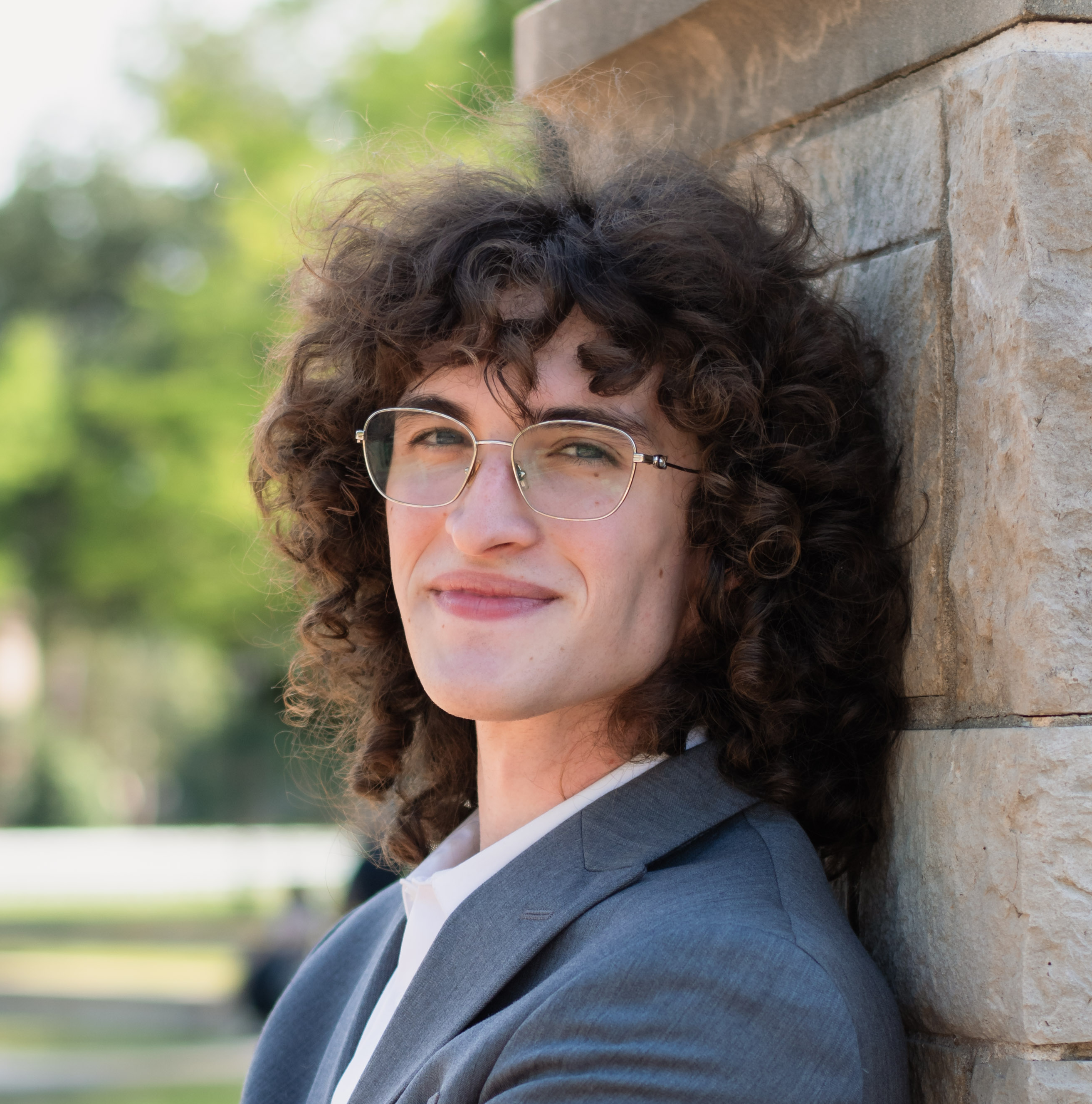
Jed McPike
Ph.D. Student (ME)
2025 B.S. Austin College
Jed is a Ph.D. Student with a background in experimental condensed-matter physics and mechatronics. He is currently working on building an agentic Transmission Electron Microscope. This is part of a broader research goal of designing generalizable, closed-loop, autonomous laboratories.
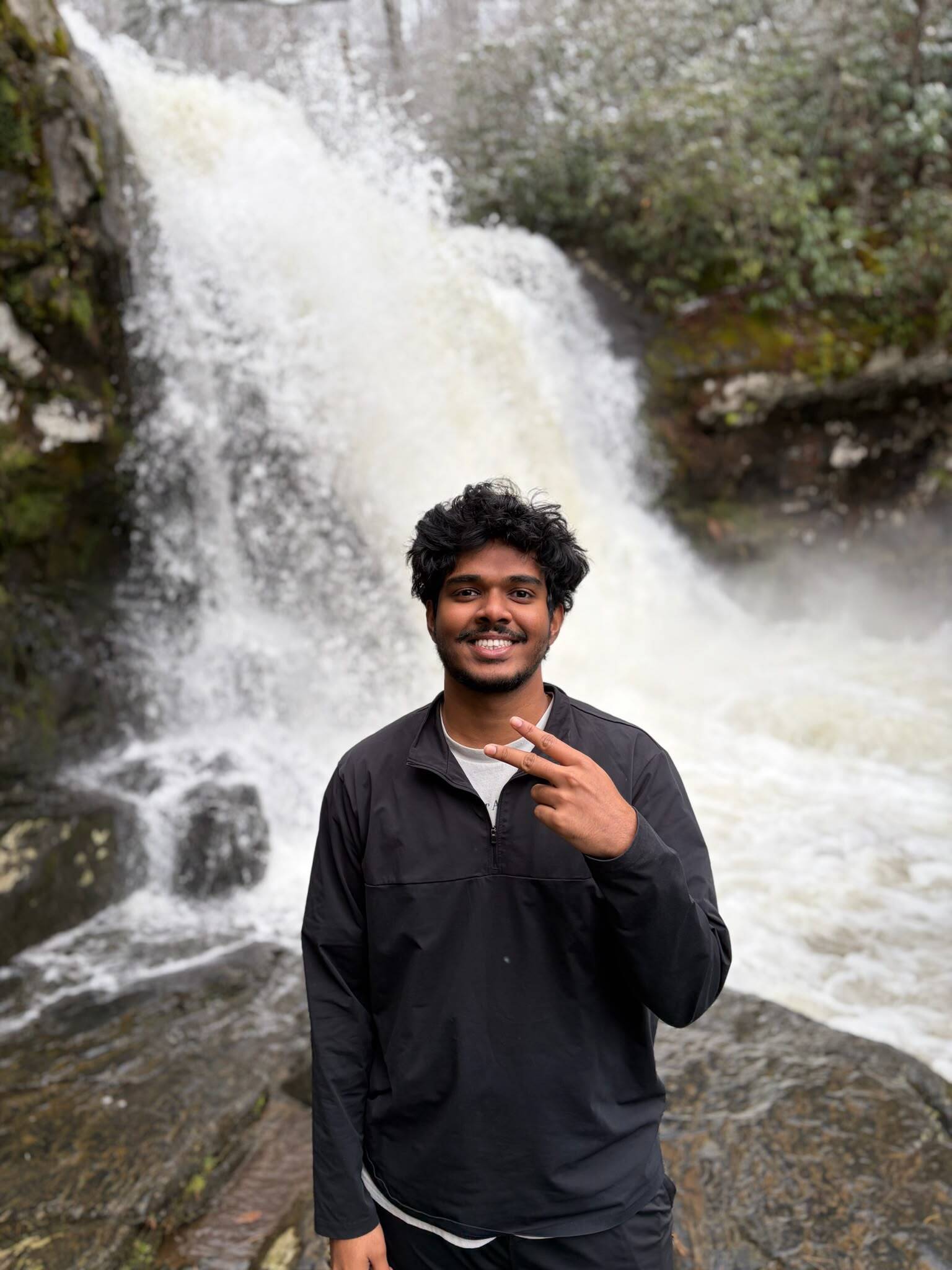
Antony Elvin Fernando Milton
Ph.D. Student (TMI)
2026 B.S. UT Austin
Antony is a Ph.D. Student with a background in heterogeneous catalysis and electrochemistry. His work focuses on combining his interests in ML and AI with his background in materials science to improve the efficiency and efficacy of materials discovery.
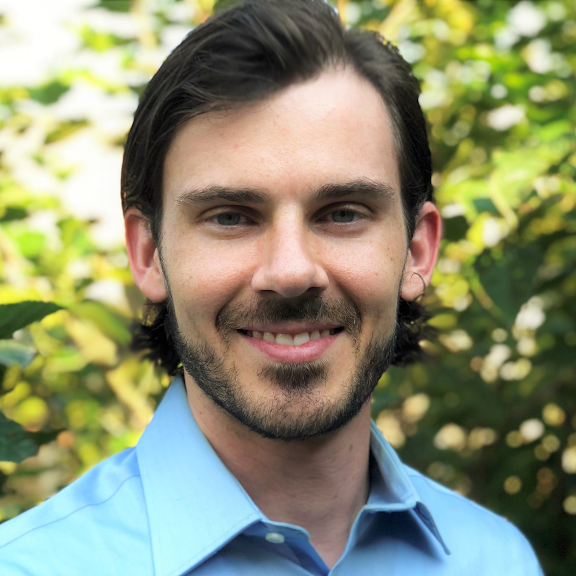
Ian Walsh
Master's Student (CS)
2015 M.S. Stanford University
2010 B.S. Rice University
2010 B.S. Rice University
Ian is studying for a masters in Artificial Intelligence. His research focuses on a multi-agent coordination framework for orchestrating experimental workflows.
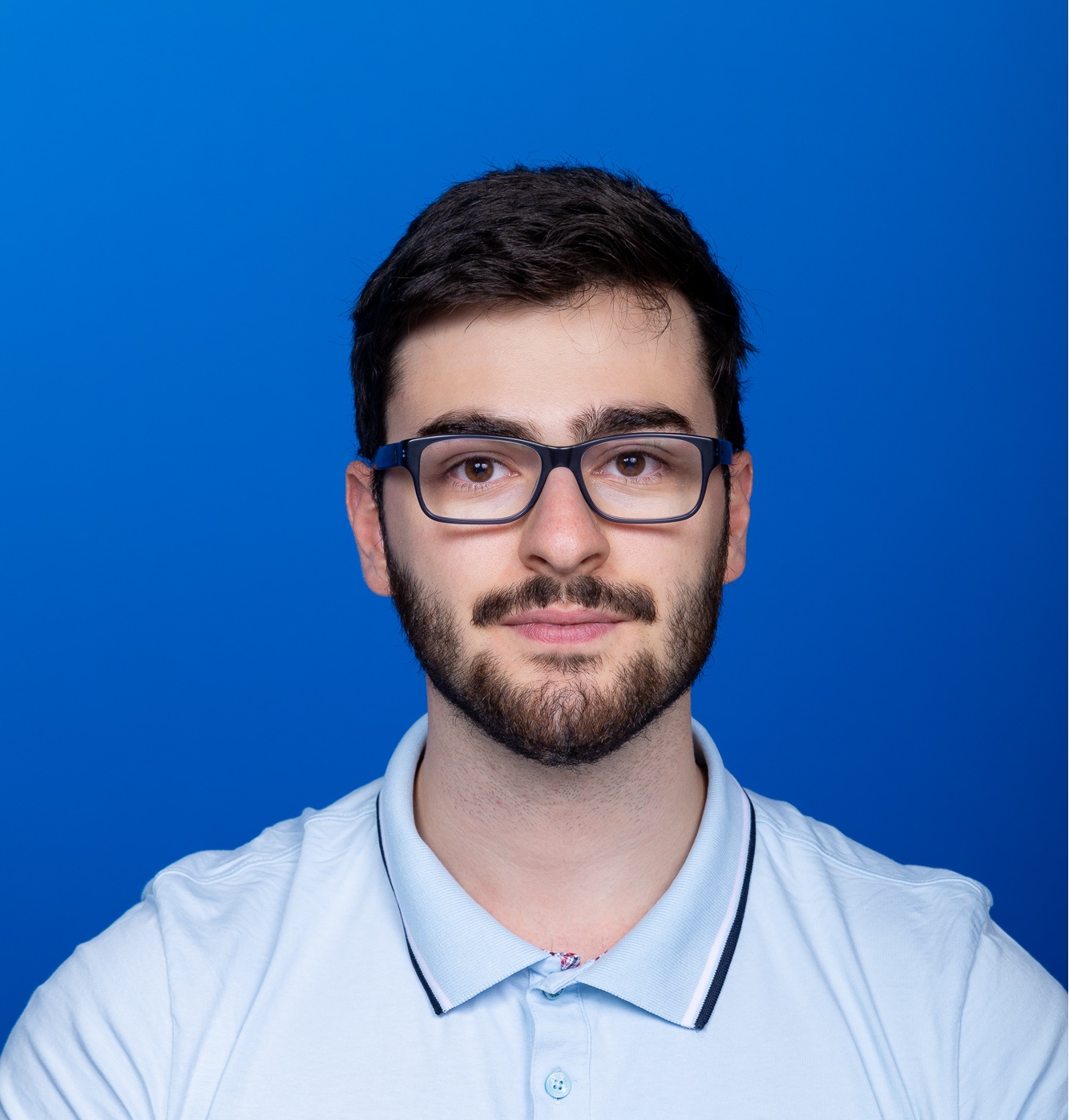
David Katz
Master's Student (CS)
2022 B.S. (Honors) Carleton University
David is studying for a Master's in Computer Science. His research focuses on fine-tuning and reinforcement learning of small parameter models for experimental workflows.
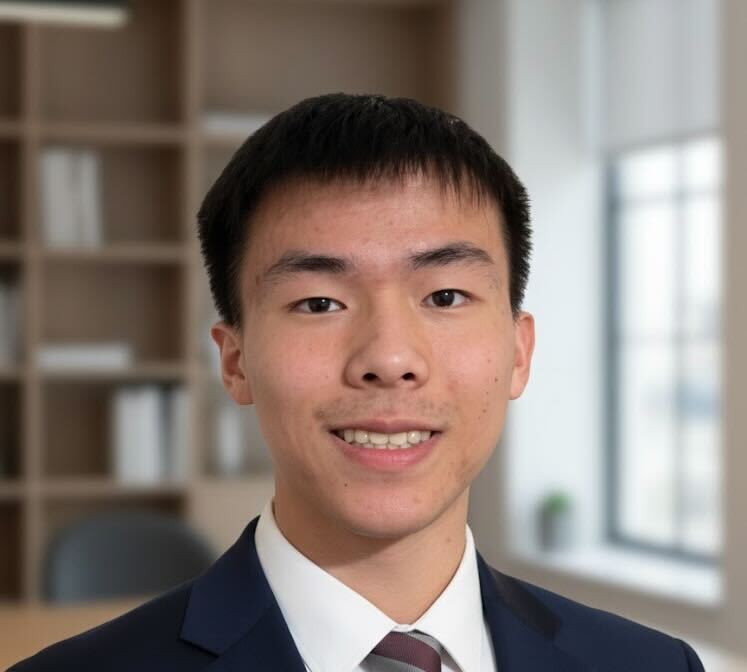
Roy Liu
Undergraduate Research Assistant (CS)
2024 - Current, B.S. in Computer Science, UT Austin
Roy is interested in Bayesian methods and agentic AI systems for scientific problems. His current research focuses on active learning and surrogate-model parameter inversion for complex neutron scattering measurements.